Nutrition plays a large role in our health, both mental and physical. Can we separate the two, really?
Here, discuss the role of specific nutrients or dietary patterns and how they interact with our mental health.
Written By Cassie Taylor, Dietetics Student; Reviewed by Jennifer Hanes MS, RDN, LD
We all know that exercise is important. It boosts physical health, strengthens muscles, improves cardiovascular fitness, and enhances overall well-being.
But one of the most significant benefits of exercise is its positive impact on mental health. Regular physical activity has been shown to reduce stress, anxiety, and depression while improving mood, focus, and overall cognitive function.
However, one crucial aspect of exercise that is often overlooked is fueling properly.
The way you nourish your body before, during, and after exercise plays a key role in maximizing the mental health benefits of physical activity. Under-fueling or over-fueling can both have unintended consequences on mood, energy levels, and mental clarity.
The Impact of Under-Fueling on Mental Health
If you’re not eating enough to support your workouts, it can take a toll on both your physical and mental well-being. When the body is deprived of adequate fuel, it can lead to:
Increased Irritability – Low blood sugar can cause mood swings and make you more prone to frustration.
Difficulty Concentrating – A lack of proper nutrients can impact cognitive function, making it harder to focus.
Fatigue and Low Energy – Without enough fuel, workouts may feel more exhausting, leading to frustration and a lack of motivation.
Increased Anxiety and Stress – The body perceives under-fueling as a stressor, which can elevate cortisol levels and contribute to feelings of anxiety.
The Risks of Over-Fueling
While under-fueling is a concern, over-fueling can also come with its own set of challenges. Overeating before exercise, particularly foods high in sugars and fats, can lead to:
Digestive Discomfort – Feeling bloated or sluggish during exercise can negatively impact performance and enjoyment.
Sleep Disruptions – Consuming excessive calories, especially late in the day, can affect sleep quality, which in turn impacts mental health.
Increased Anxiety and Irritability – Blood sugar spikes and crashes from excessive carbohydrate intake can contribute to mood swings.
The Role of Caffeine in Exercise and Mental Health
Caffeine is a popular pre-workout aid, but too much of it can have negative effects. While moderate caffeine consumption can improve focus and performance, excessive intake may cause:
Jitters and Nervousness – High doses of caffeine can lead to an overstimulated nervous system, increasing anxiety.
Digestive Issues – Some people experience stomach discomfort when consuming caffeine before a workout.
Hindered Performance – Too much caffeine can increase heart rate and lead to early fatigue during exercise.
How to Fuel for Exercise to Maximize Mental Health Benefits
To optimize your workouts and support your mental health, it’s important to fuel properly. Here are some guidelines to follow:
Eat a Balanced Pre-Workout Meal – Aim for a combination of complex carbohydrates, lean protein, and healthy fats 1-2 hours before exercise. Examples include oatmeal with nut butter, Greek yogurt with fruit, or a whole-grain toast with avocado.
Stay Hydrated – Dehydration can impact mood and performance. Drink plenty of water throughout the day and consider an electrolyte drink if engaging in intense or prolonged exercise.
Be Mindful of Caffeine Intake – If you use caffeine before a workout, aim for a moderate amount (100-200mg) and avoid consuming it too close to bedtime.
Refuel After Exercise – Consuming a post-workout meal with protein and carbohydrates helps with muscle recovery and prevents energy crashes. Examples include a smoothie with protein powder and banana or a turkey sandwich on whole-grain bread.
Incorporate Snacks – If you exercise for extended periods or have long gaps between meals, snacks like a handful of nuts, a banana with peanut butter, cottage cheese with fruit, hummus with whole-grain crackers, or a protein bar can help maintain steady energy levels.
Time Your Meals Wisely – Eating too close to your workout can cause discomfort, while eating too far in advance may leave you feeling low on energy. Experiment with timing to find what works best for your body.
Listen to Your Body – Everyone’s fueling needs are different. Pay attention to how your body responds to different foods and adjust accordingly.
Food Ideas for Optimal Fueling
Here are some easy and effective meal and snack ideas to help fuel your workouts:
Pre-Workout Meals (1-2 hours before exercise)
Oatmeal with nut butter and banana
Greek yogurt with granola and berries
Whole-grain toast with avocado and eggs
A smoothie with protein powder, spinach, and fruit
Brown rice with grilled chicken and roasted vegetables
Pre-Workout Snacks (30-60 minutes before exercise)
A banana with peanut butter
A handful of almonds and dried fruit
A rice cake with cottage cheese and honey
A protein bar with balanced macros
A small bowl of whole-grain cereal with milk
Post-Workout Recovery Meals
A turkey and avocado sandwich on whole-grain bread
A quinoa bowl with grilled salmon and vegetables
Scrambled eggs with whole-grain toast and spinach
A protein smoothie with almond milk, banana, and flaxseeds
Greek yogurt with berries, granola, and honey
Post-Workout Snacks
Chocolate milk (great carb-to-protein ratio for recovery!)
Hummus with whole-grain crackers or veggie sticks
A boiled egg with a slice of whole-grain bread
A protein shake with a handful of nuts
Cottage cheese with pineapple or berries
Final Thoughts
Exercise is a powerful tool for improving mental health, but to truly reap its benefits, proper nutrition is essential. Under-fueling can lead to irritability, fatigue, and anxiety, while over-fueling may cause digestive discomfort and sleep disruptions.
By eating balanced meals, staying hydrated, and being mindful of caffeine intake, you can optimize your workouts and support both your physical and mental well-being.
Your body and mind work together—give them the fuel they need to thrive!
Author’s Note’s Bio:
My name is Cassie Taylor and I am a senior studying nutritional sciences and dietetics at Texas Tech University. I am a Division 1 soccer player which has further developed my interest in nutrition and all the different effects it can have on your body.
I will begin my dietetic internship with Aramark in August 2025 while pursuing a Master’s in Nutrition and Dietetics at Texas Tech University, working toward my goal of becoming a Registered Dietitian
Written By Cassie Taylor, Dietetics Student; Reviewed by Jennifer Hanes MS, RDN, LD
Have you ever noticed how the same meal can feel completely different depending on how you approach it? Let’s explore this through Elise’s story, which might sound a lot like your own hectic evening.
Mindless Eating:
Elise has had one of those days. You know the type – back-to-back meetings, no time to even grab a granola bar, and by 6 PM her stomach is practically screaming at her. She finally makes it home, and she’s so hungry she can barely think straight.
Desperate for relief, she grabs leftover pizza from the fridge, sinks into the couch, and queues up her favorite show. With TikTok in one hand and a slice of pizza in the other, she zones out.
Before she knows what hit her, half the pizza has mysteriously vanished, but she barely remembers eating it. Her stomach feels like she swallowed a balloon, and yet… she’s still unsatisfied. guilt creeps in as she wonders why she didn’t enjoy her meal more..
Thirty minutes later, she’s still sitting there, feeling stuffed and kind of wishing she’d done things differently. She’s also dealing with that weird guilt that comes from not really enjoying your food but eating a lot of it anyway.
The worst part?
She’s still kind of unsatisfied, even though she’s physically super full. She ends up spending the rest of her evening feeling sluggish, bloated, and honestly a bit mad at herself for not taking the time to just eat properly.
Now let’s rewind and see how things could go down differently.
Mindful eating:
Same Elise, same crazy day, same growling stomach. But this time, when she gets home, she takes just a moment to catch her breath. Still super hungry, but not letting it run the show.
She grabs her pizza from the fridge but takes the extra minute to heat it up (because warm pizza is totally worth the wait). Instead of rushing, she heats up the pizza and sits at her dining table- phone off, distractions minimized.
When she takes that first bite, it’s like she’s actually tasting pizza for the first time.
The basil is fresh and fragrant, the marinara sauce has that perfect sweet-tangy thing going on, the pepperoni adds that savory kick, and don’t even get me started on how awesome melted mozzarella is when you actually pay attention to it.
She’s not rushing – just taking her time, having some water between bites, and checking in with herself. It’s not some complicated meditation thing – just a simple “Hey body, how are we doing?” kind of check-in.
She’s taking deep breaths without even really thinking about it, just letting her body settle into actually enjoying dinner.
About halfway through her second slice, something clicks – she’s starting to feel full. Instead of pushing through anyway (we’ve all been there), she actually listens to that signal and wraps it up.
Thirty minutes later, she feels great – satisfied but not stuffed, and actually happy with how dinner went down.
Putting mindful eating into practice
Here’s the thing about mindful eating, the concept is straightforward and easy, but the practice?
That’s where the actual work comes into play.
It’s like learning to ride a bike, you know what you need to do but actually getting the hang of it takes time and practice.
Our world is designed for distraction.
We have constant stimulation from our phones on us at all times, we’re all busy with work/school/activities so finding enough time in the day to really enjoy a meal can feel impossible sometimes.
It requires focus and concentration which can be challenging in the fast-paced lives we live in this day and age.
There are going to be days that are harder than others, there are going to be days where you don’t want to, and there could even be days where you forget.
And that’s okay!
There are challenges to overcome, but that’s why this process is not about perfection but rather progress and growth.
So, what are some ways to overcome the obstacles that might present themselves on your mindful eating journey?
Practice self-compassion. Don’t get mad at yourself if your meal doesn’t go exactly how you wanted it to go. Learn from it and take note of what you want to do differently next time.
Have a friend or family member join you. If you’re out eating with a friend, have them practice mindful eating with you and walk them through your process. This can also help with accountability.
Take deep breaths before eating. Sometimes it’s easy to get caught up in the moment and get so excited to eat that burger you’ve been waiting for all week, but when your food is ready in front of you, take a few deep breaths to remember your goals and be present in the moment.
Minimize Distractions. Have the TV turned off when you’re getting ready to eat, your phone silenced, distractions to a minimum.
What Are the Benefits of Mindful Eating?
So, let’s say you’re really committed to mindful eating, and you’re starting to make it a habit every day. What transformations might you notice?
While the immediate benefits – like feeling satisfied rather than stuffed – are great, the long-term changes can be truly life-changing.
Mental and Emotional Changes
First, you’ll likely experience a mental and emotional transformation. Food anxiety will decrease as you build trust with your body.
You’ll become better at distinguishing between emotional eating and true hunger, stress levels around mealtimes will naturally decrease, and that nagging guilt around eating starts to fade away.
Improvements in Social Interactions
Beyond the personal mental shifts, your social life may transform too. You’ll find yourself more present during meals with friends and family, actually tasting and enjoying your food rather than rushing through it.
Dining becomes less about stress and more about connection and enjoyment.
Physical Changes
The physical health benefits are equally impressive.
Your digestion improves, and your body naturally finds its balance without restrictive dieting or overeating.
You’ll notice more stable energy levels throughout the day, your brain functions more clearly, and significantly less bloating and discomfort after meals.
Even your blood sugar levels tend to stabilize as your eating patterns become more consistent and mindful.
Reduced Cravings
Best of all, food itself becomes more enjoyable. Those intense cravings that used to drive your eating decisions? They become more manageable. Meals become more satisfying as you fully experience them, and you’ll start noticing flavors and textures you were missing all along.
Isn’t it amazing how changing one thing in your life – intentionality with eating – can affect so many other areas? Of course, these changes won’t just happen overnight.
You might notice some benefits sooner than others, but consistency is key to experiencing all that mindful eating has to offer.
Unlike quick-fix diets or temporary solutions, mindful eating creates lasting change because it transforms your relationship with food at a fundamental level.
Long Term Changes
As you continue your practice, it will require less conscious effort and eventually become your natural way of life.
And remember – this doesn’t mean there won’t be days when you eat with the TV on or scroll through TikTok while having a snack – that’s inevitable!
What matters is that your overall relationship with food has transformed. The initial investment of time and attention pays off in a lifetime of better health, more joy around food, and a deeper understanding of your body’s needs.
So next time you find yourself in Elise’s situation – exhausted, hungry, and tempted to just zone out with your food – remember that each mindful meal is an investment in your future well-being.
Every time you choose to eat mindfully, you’re not just having a better meal – you’re building a better relationship with food that will serve you in the long run!
Ready to try mindful eating? Start small—choose one meal this week to practice eating without distractions. Pay attention to the flavors, textures, and how your body feels. Then reflect: How did it change your experience?
Author’s Note’s Bio:
My name is Cassie Taylor and I am a senior studying nutritional sciences and dietetics at Texas Tech University. I am a Division 1 soccer player which has further developed my interest in nutrition and all the different effects it can have on your body.
I will begin my dietetic internship with Aramark in August 2025 while pursuing a Master’s in Nutrition and Dietetics at Texas Tech University, working toward my goal of becoming a Registered Dietitian
Ever had those days when you wake up feeling a bit off, as if the world decided to paint itself in shades of gray? Well, you’re not alone. We’ve all experienced those moody mornings and stressful afternoons.
But what if I told you there’s a fascinating connection between the food you eat and the way you feel?
In this blog post, we’re going to explore the link between your diet and your mood.
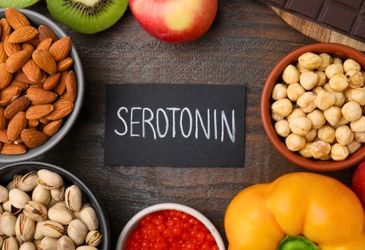
You see, serotonin is like your brain’s personal happiness hormone, and what you put on your plate can significantly impact its levels.
We’ll unravel this connection, breaking it down into plain language so you can harness the power of your food to boost your spirits.
Understanding Serotonin
Serotonin is one of our 4 “happy hormones,” along with dopamine, endorphins, and oxytocin.
It is a neurotransmitter produced both in your brain and your gut. Neurotransmitters are chemicals produced by your body to carry messages between your brain to the rest of your body.
Serotonin plays a number of different roles, depending on where it is in your body:
Mood regulation – this is what most people think of when they hear about serotonin. It plays a large role in promoting feelings of happiness.
When serotonin levels are normal, people feel focused, calm, and emotionally stable
Digestion – serotonin regulates how quickly your gut moves your food through the digestive tract.
When you eat a food that is irritating to your gut, serotonin is released rapidly, causing you to speed the digestion process to get rid of it. This can also cause feelings of nausea
Serotonin, along with the hormone leptin, also plays a role in feelings of fullness while eating.
Sleep – Serotonin can be further processed in your brain to become melatonin. Melatonin and dopamine both play important parts in your sleep duration and quality.
Wound Healing – when you have a wound, serotonin causes your blood vessels in the area to stop bleeding, the first part of the wound healing process.
Bone Health – adequate levels of serotonin, meaning not too high or too low, maintains a normal bone density which can prevent the development of osteoporosis.
Sexual health – serotonin and dopamine both influence your desire for sexual activity.
Learning and memory– High levels of serotonin has been shown to boost an adult’s ability to learn quickly and store this knowledge in long term memory.
Blood sugar regulation – serotonin is part of a team of hormones and neurotransmitters that directs your pancreas to release insulin.
when insulin is not released adequately, you will crave sugar, further complicating your glucose control
How is Serotonin Made?
Serotonin is made both in your brain and your gut. This is important because serotonin has very important functions in both places, but cannot cross from the blood into your brain they other nutrients and messengers can.
Serotonin is made from an amino acid called tryptophan. Amino acids are basically the building block of protein. We can actually create some amino acids ourselves, however, tryptophan has to come from our food.
Through a series of reactions, our body uses B vitamins to transform tryptophan into serotonin, and then later melatonin.
And although we typically associate tryptophan with turkey, there are actually quite a few foods that contain tryptophan. More on that in a bit.
Importantly, tryptophan cannot travel into the brain on its own. It requires a carbohydrate “carrier.” This is why people on very low carb diets often experience irritability, bad mood, and difficulty sleeping. Though often, it’s only the people around them that recognize this!
Serotonin in the brain is what we are primarily concerned with today. This is the serotonin source that affects our mood.
It is also the region of the body and the particular chemical that many anti-depressant medications target.
Serotonin in the Gut
Approximately 90% of your body’s serotonin is actually produced in your intestinal tract. There are some differences in the function of serotonin in and out of the brain, though they are structurally identical.
There’s a reason the gut is often called the “second brain.”
At this time science does not support the idea that serotonin produced by the gut directly affects our mood. This is because serotonin cannot travel into the brain. It must be made in the brain to affect our mood.
However, there may be some mental health benefits to gut-produced serotonin in a more round-about way. The going theory right now is that serotonin positively affects the gut microbiome in other ways that does communicate to the brain via the Vagus nerve.
I cannot stress enough that we have a lot more research to do in this arena.
What happens when serotonin levels are chronically low?
Low serotonin levels have been linked to a number of behavioral health complications, including mood disorders (such as bipolar disorder and depression), anxiety, insomnia, obsessive-compulsive disorder, and post-traumatic stress disorder.
Can You Have Too Much Serotonin?
You can, and it can actually be quite dangerous! However, does NOT happen when you eat a diet that promotes serotonin production.
Serotonin Syndrome occurs as aserious drug reaction and can have symptoms that range from mild shivering and diarrhea to severe muscle rigidity, seizures, and fever. This can even lead to death if not treated in a timely manner.
Serotonin syndrome can occur when more than one medication or supplement is given that increases serotonin activity. However, this can also happen when illicit substances and/or dietary supplements are combined with medications.
This is why it is absolutely imperative that your doctor and your pharmacist are aware of all medications and all supplements or drugs you may be taking.
The Serotonin-Diet Connection
As discussed above, several nutrients are required to produce serotonin:
Tryptophan – an amino acid that is the main building block of serotonin
Vitamins B6 (pyridoxine) and B3 (niacin) – metabolic factors in the conversion of tryptophan to serotonin
Vitamin D – activates an enzyme involved in the conversion of tryptophan to serotonin
Carbohydrates – helps carry the materials for serotonin synthesis into the brain.
When looking at overall dietary patterns, traditional diets have shown to be better for mental health than western style diets. While the Mediterranean diet is often cited, other traditional diets also show promise.
There is a small body of evidence that suggests the traditional diet of our own culture may be the diet that is best for us. This could be due to inadequate research, genetic variations impacting nutrient metabolism, and differing microbiomes (as these first pass from mother to baby).
Foods that Boost Serotonin
While the following foods are high in nutrients that aid in adequate serotonin production, we need to think of these as foods to include in a varied diet. This is not meant to encourage you to exclude other foods!
Foods high in tryptophan:
Milk/dairy
Fish
Poultry
Oats
Nuts and seeds
Dark Chocolate
Some fruits – particularly pineapple, plantains, bananas, kiwis, plums, and tomatoes
When you first start drinking, you’re body will actually increase serotonin, accounting for that initial feeling of calm and happiness. However, long-term, alcohol use reduces both the amount and the action of serotonin.
Meaning you’ll have very little serotonin, and what you do have doesn’t work very well.
Caffeine
This one is tricky. Coffee seems to actually improve the efficacy of serotonin. So our serotonin levels don’t change, but it works better.
It appears this happens because caffeine prompts the brain to increase the number serotonin receptors. This also appears to be why caffeine withdrawal makes us feel “a bit” crabby.
On the other hand, caffeine inhibits the absorption of iron and b vitamins, potentially making serotonin production more difficult.
Because caffeine is consistently indicated in increasing anxiety and interfering with sleep, I recommend you keep your coffee intake reasonable, and in the morning!
Fructose
But only in very few of us! Fructose malabsorption is a medical condition in which you do not breakdown fructose properly. When fructose levels rise in the gut, tryptophan absorption suffers as well.
As a result you do not have enough tryptophan available to produce serotonin, even if you ate enough of it.
If you have fructose malabsorption, make sure to follow the diet prescribed by your dietitian to avoid gastrointestinal distress and potential mental health concerns.
Trans fats
It appears that trans fats interfere with functioning of omega-3 fatty acids, such as fish oil and those in nuts, seeds, olives, and avocados.
Since these anti-inflammatory conditions can no longer do their job when your diet contains a lot of trans fats, you can experience a cascade of inflammatory conditions that challenge your ability to produce serotonin.
Luckily, food manufacturers were compelled by legislation in the US to eliminate the use of trans fats. And these fats only occur in very tiny amounts in the natural food supply.
The Importance of Meal Timing
There is some evidence that those that work shift work have up to a 40% higher risk of depression and anxiety.
A VERY small study simulated shift work in participants and found that those that only ate during “normal” meal times (during the day) reported less symptoms of depression and anxiety than those that at both during the day and during the night.
This is the exact type of study that demonstrates the importance of comparing “the literature” to real life people. There is no way I would advise someone working a 12 hour overnight shift to avoid eating because of this study.
I would wager a larger study that is better done would oppose these results. Because lack of consistent intake causes wide swings in blood glucose, which contributes to unstable moods.
And restricting a person’s ability to eat has a high likelihood of causing micronutrient deficiencies which is STRONGLY linked to mental health struggles, even if serotonin production wasn’t a concern.
Intermittent Fasting
A different type of time restricted eating, Intermittent Fasting (IF) has also been really popular lately, particularly for weight loss. Proponents like to throw around words like ‘autophagy’ to make them sound more authoritative.
Big words are impressive, right?
However, there isn’t really any definitive evidence that IF is beneficial to overall health, let alone mental health.
And risks associated with IF include potentially triggering eating disorder behaviors for those that are predisposed, compensatory overeating, and low blood sugar (definitely not good for mental health).
In scouring for research on IF and mental health, I came across a study done on 10 rats that indicated fasted rats had higher levels of serotonin and no change in dopamine. There’s so much wrong with this, the most obvious being that the study was done on rats. And only 10 of them.
Another article mentioned that ghrelin (the “hunger hormone”) seems to increase neuroplasticity and “stimulates serotonergic neurons.”
However, you don’t have to fast to increase ghrelin. That’s literally a normal response to your brain wanting more fuel. And you already fast every night…
Lifestyle Factors and Serotonin
Other than diet, there are a few lifestyle factors that you can include that help encourage normal serotonin production, including adequate hydration, pro and prebiotic foods, regular exercise, and regular exposure to sunlight.
Not that you should attempt to incorporate all of these factors right away. Choose 1 thing we’ve discussed here to get started. And as that becomes a cemented habit, you can work on the next thing.
Sample Serotonin-Boosting Meal Plan
Here’s a sample 3 day meal plan that provides all the nutrients needed for normal serotonin production in the brain.
I’m not really a proponent of following meal plans to the letter. Instead, use this to get ideas that you can fit into your routine.
Day 1
Breakfast
Greek yogurt parfait (1 cup plain Greek yogurt, 1/2 cup granola, 1/2 cup mixed berries, 1 tbsp honey)
Lunch
Mediterranean Salad (2 cups mixed greens, 1/2 cup chickpeas, 1/2 cup cherry tomatoes, 1/4 cup feta cheese, 1/4 cup olives, 1 tbsp olive oil, 1 tbsp balsamic vinegar
Dinner
Grilled Chicken with Quinoa and veggies (4 oz grilled chicken breast, 1/2 cup cooked quinoa, 1 cup steamed mixed veggies dressed with 1 Tbsp olive oil and 1 Tbsp lemon juice)
Snack 1
Hummus and veggie sticks (1/4 cup hummus, 1 cup raw veggies such as carrots, celery, and bell peppers)
Snack 2
Almonds and dried apricots (1/4 cup each)
Day 2
Breakfast
Smoothie Bowl (1 cup almond milk, 1/2 cup frozen mixed berries, 1/2 banana, 1 scoop protein powder, 1/4 cup granola)
Lunch
Tuna Salad Wrap (1 whole grain wrap, 3 oz canned tuna, 1/4 cup chopped celery, 1/4 cup chopped red onion, 1 tbsp mayo, 1 cup mixed greens)
Dinner
Shrimp and Vegetable Stir Fry (4 oz cooked shrimp, 1 cup mixed stir-fry vegetables, 1/2 cup cooked brown rice, 1 Tbsp olive oil, 1 tbsp soy sauce)
Oatmeal with Fruit and Nuts (1 cup cooked oatmeal, 1/2 cup mixed berries, 1/4 cup chopped walnuts, 1 Tbsp honey)
Lunch
Caprese Salad (2 cups mixed greens, 1/2 cup cherry tomatoes, 1/2 cup fresh mozzarella, 1/4 cup fresh basil, 1 Tbsp olive oil, 1 Tbsp balsamic vinegar)
Dinner
Lentil and Vegetable Curry (1 cup cooked lentils, 1 cup mixed vegetables, 1/2 cup cooked brown rice, 1 Tbsp olive oil, 1 Tbsp curry powder)
Snack 1
Cheese (1 oz) and whole grain crackers (1/2 cup)
Snack 2
Celery Sticks (1 cup) with Cream Cheese (2 Tbsp) and raisins (1/4 cup).
Remember that I created this meal “plan” for a fictional person without any specific health conditions or needs. You may need more or less, at any given meal or snack.
Look for ideas in the sample above, and practice your mindful eating. Respond to hunger and fullness to ensure that your brain is getting adequate nutrients and fuel throughout your day.
Also, spice it up! This is a very simple write up, meant to be easy to read. Feel free to add more spices, sauces, or other flavors to make it enjoyable.
Can Supplements Help?
There are a few supplements that may improve depression in general or serotonin specifically. ALWAYS tell your doctor about any supplements you are taking, or considering.
Here’s a super quick review:
Tryptophan: if you’re eating enough protein from dairy, poultry, fish, nuts, seeds, and oats, you likely won’t need further supplementation of tryptophan.
5-HTP: this is the precursor to serotonin, and does seem to help alleviate mild symptoms of depression and anxiety. However, potential serious side effects can include anxiety, shivering, and serious heart problems.
Mild side effects can include drowsiness, digestive issues, and sexual dysfunction. If you are taking an anti-depressant medication it is strongly advised to avoid taking 5-HTP due to the risk of Serotonin Syndrome.
St John’s Wort: St John’s Wort is often recommended for depression, and it is in fact an SSRI, just like many common anti-depressant medications. It can be pretty effect in mild cases of depression.
Side Effects can include agitation, dizziness, diarrhea or constipation, dry mouth, fatigue, insomnia, headache, or increased sensitivity to sunlight.
Again, never take this supplement if taking prescription anti-depressant medication. Do not take if pregnant or breastfeeding.
SAMe (S-Adenosyl Methionine): this is another amino acid that, when supplemented, appears to increase levels of serotonin and dopamine levels in the brain, as well as increasing the activity of serotonin and dopamine receptors in the brain.
For some reason, studies indicate this supplement may be more effective in males.
Stomach upset is the most commonly reported side effect of SAMe. However, it can trigger manic episodes in individuals with bipolar disorder and worsen symptoms in individuals with obsessive compulsive disorder or struggle with addiction.
And again, tell your doctor if you are taking this supplement, especially if you are considering prescription anti-depressants.
I strongly encourage, my clients to be cautious with supplements for a few reasons. Supplements are not as strictly regulated as medications are and there is profound variability in the accuracy of the labels.
They are not as strongly research either, so potential side effects, medication interactions, or other problems may not be as evident or well-known.
If you want to try the supplements listed above, I would strongly encourage you to speak to your doctor and/or pharmacist. And try one, not all of them.
Final Thoughts
So, there you have it, folks! The serotonin-diet connection isn’t just some scientific mumbo-jumbo; it’s a real thing that can make a big difference in how you feel day-to-day.
Whether it’s adding more bananas and turkey to your plate or getting out for a stroll in the sunshine, you’ve got the power to give your mood a little boost.
Remember, it’s all about balance and making small, sustainable changes to your eating and lifestyle habits. And if you ever need some extra guidance, don’t hesitate to reach out and schedule an appointment with me!
So go ahead, take care of your serotonin, and let your good vibes shine. Your plate, and your brain, will thank you for it!
Good nutrition is essential for overall health, but did you know that it also plays a crucial role in mental health?
Proper nutrition can improve mood, reduce symptoms of anxiety, stress, and depression, and enhance cognitive function.
As awareness of the link between nutrition and mental health grows, more people are seeking the services of a nutritionist specialized in mental health.
In this blog post, we’ll explore the importance of nutrition in mental health and discuss the role of a nutritionist in supporting mental health.
We’ll also provide tips for finding a qualified nutritionist specialized in mental health and explain why it’s essential to prioritize nutrition for optimal mental wellness.
What is a Nutritionist Specializing in Mental Health?
A nutritionist is someone that utilizes food and dietary patterns to help manage health and medical conditions.
If a nutritionist does extra training or education on mental health, they are considered a specialist in that area.
Not all nutritionists are the same though, so you want to make sure you find someone with the education and training to back up their claims of expertise.
Definition and Qualifications
The truth is the term “nutritionist” is not protected. This means that someone could have spent a few minutes on Wikipedia researching “nutrition” and then call themself a nutritionist.
As long as this fictional person doesn’t slide into the very vague practice of “medical nutrition therapy,” there wouldn’t be much recourse against them if they gave untrue or damaging advice.
So when looking for a nutritionist that specializes in mental health, first make sure they have adequate nutrition education and training. In particular, look for a Registered Dietitian.
These nutritionists are obligated to provide education and treatment that is scientifically backed, is not harmful, and is individualized based on every aspect of each patient or client.
You’ll sometimes hear the term “nutritional psychiatry” or “nutritional While not technically a specialty, this term describes psychiatrists and psychologists that incorporate nutrition in their treatment plans. These doctors should still be utilizing dietitians in their practice.
Dietitian’s Role in Treating Mental Health Disorders
Treatment from a dietitian should always be considered an adjunct (or supplemental) therapy to treatment from a psychiatrist/psychologist and a therapist/counselor.
Nutrition should never be considered the primary therapy for a mental illness or other disorder.
How Nutrition Affects Mental Health
Nutrition plays a major role in your body’s inflammatory response. These inflammatory responses are normal but should decrease when the source of inflammation goes away.
Unfortunately, in some situations, inflammation becomes chronic and can lead to other conditions such as diabetes, heart disease, and worsening mental health, including unstable mood and poor stress or anxiety management.
In nutrition for mental health, we identify foods and food patterns that can reduce inflammation, in a scientific matter, free from the influence of common fad diets you’ll find on social media.
In addition to using nutrition to lessen the severity of symptoms of mental illness, targeted nutrition techniques can actually improve your response to primary behavioral health therapeutic techniques.
The Relationship Between the Gut and the Brain
Nutrition and food choices also have a major impact on the health of your gut and the microbiome that resides there.
These beneficial bacteria, fungi, and viruses help our mental health in a variety of ways, including producing some feel good hormones and neurotransmitters that were previously thought to only be produced in the brain.
It is no coincidence that patients with Irritable Bowel Syndrome often also experience depression and anxiety, and vice versa.
The Impact of Sugar and Ultra-Processed Foods on Mental Health
Over-emphasis in the diet of sugar and ultra-processed foods can lead to chronic inflammation and worsening gut health.
This leads to symptoms of mental health conditions becoming more severe and more difficult to manage.
The Importance of a Balanced Diet on Mental Health
We must remember the importance of balance in our food patterns.
Obsessive restriction of foods considered “bad” can lead to increased feelings of stress and anxiety and can eventually lead to an eating disorder.
Instead, we need to find a way to incorporate all foods in a way that manages our health and allows us to live a happy life.
The Role of a Dietitian Nutritionist in Mental Health
A registered dietitian nutritionist can help an individual choose foods 80-90% of the time that is actively health-promoting but also fit in those foods that we eat purely for the joy and enjoyment of eating them.
Health promotion and food enjoyment are both important in achieving balance and improvement in our health.
What Does Treatment Look Like?
Every nutritionist will run their sessions a bit differently. However, there are some similarities as there are key pieces of information about each client that is required to be successful. Think of the work of a dietitian as nutrition counseling rather than just information giving.
Initial Assessment of a Client’s Diet and Lifestyle
In my practice, my initial assessment of a client starts before I even sit down with them. My clients fill out a New Client Questionnaire that allows me to learn the basics of their medical history so that when I do meet them, we can head straight into getting to know each other on a more personal level.
For me, these questions range from the boring family medical history, medical and mental health diagnoses, medications and supplements, and the frequency certain foods are eaten to the more abstract such as your relationship with food and body image.
During our first session, we delve more deeply into those questions, particularly those regarding my patient’s relationship with food, the symptoms they are most concerned with, and their short and long-term goals.
Micro and Macro Nutrient Recommendations
Macronutrients (carbs, fats, and proteins) each have a role in food satiety as well as hormone and neurotransmitter production, including estrogen, testosterone, leptin, ghrelin, serotonin, melatonin, adrenaline, and dopamine.
Various micronutrients (vitamins and minerals) have been shown to have potent effects on mood and mental health. Some worsen mental health when we are deficient, and others improve mental health when taken above our normal intake levels.
I use a client’s food frequency descriptions, their attitudes and beliefs about foods, and a 3-day sample of their food intake to determine which nutrients might be a concern for them.
Gut Health Support
Individuals with chronic intestinal distress (bloating, pain, constipation, diarrhea), with or without a diagnosis, have even more to consider.
We have to identify what foods, if any, are causing the symptoms and what steps, if any, the person is willing and ready to take.
Elimination diets, particularly low FODMAP, are very good at identifying food triggers for IBS (irritable bowel syndrome) but may not be appropriate for some patients.
Monetary concerns, lack of time to cook, lack of kitchen skills, difficulty with decision-making, poor food and nutrition education, and disordered eating patterns can all make these elimination trials ineffective or dangerous.
Other times, a lack of variety in the diet can be a cause of poor gut health, and that needs to be addressed in a way that is sustainable for the individual.
All of these factors, and more, are important to the assessment and nutrition treatment plan for a dietitian nutritionist that specializes in mental health.
Lifestyle Modifications
In addition to food and nutrition, other lifestyle factors should be addressed.
This includes but is not necessarily limited to sleep, physical activity, time spent outdoors, dedicated stress management, social activity, smoking, and alcohol or other substance use.
Creation of a Customized Meal Plan Based on Individual Needs
This is where it is important to seek a credentialed RDN rather than just anyone who calls themselves a nutritionist. Any individualized meal plan, rather than generalities, requires education and training in nutrient analysis.
I don’t write specific meal plans for my clients. There is no way I can create a meal plan for an individual that encompasses everything there is about them.
Factors such as culture, family meals, food preferences, allergies and intolerances, kitchen skills, grocery budgets, and more all go into the food choices that we make.
Instead, we make goals that incorporate the nutrition we need without dictating that the client eat exactly what I chose for them.
Monitoring and Adjusting the Meal Plan as Needed
For me and my clients, this looks like re-evaluating the goals that set during the last session. Did they find the goals too easy? Too difficult? Did they meet their goals but still struggle to do so?
Because we’re looking to create sustainable behavior changes and not partaking in a temporary diet, we want to not only meet our goals but sustain them long enough that they are habits before moving on.
Providing Education on the Link Between Nutrition and Mental Health
My first session tends to be the heaviest on education. There is a lot of misinformation regarding health and nutrition on the internet, especially on social media.
A lot of my clients have internalized poor diet information and have trouble separating nutrition “facts” they learned from their parents, health teachers, fad diets, and bad websites from actual nutrition science.
For example, did you know that a sweet potato and a regular old “white” Russet potato are almost identical in carbs, fiber, and calories? Few clients believe me the first time we talk about this.
Sometimes, education isn’t so much nutrition-focused in the beginning. Instead, we talk about mindful eating, evaluating hunger and fullness cues, why it’s important to chew your food, or other food topics such as grocery shopping, budgeting, and basic cooking skills.
Everyone has a different starting point. And it’s my job to help bridge where you are and where you want to go.
Finding a Nutritionist Specializing in Mental Health
In the world of science, research on nutrition and mental health is pretty new.
Additionally, outside of dietitians that are eating disorder specialists, there aren’t any certifications or other specialist criteria for dietitians that want to specialize in mental health. Making these nutritionists hard to find.
Ultimately, don’t be afraid to ask where a dietitian nutritionist learned and practiced nutrition science for mental healthcare.
Research and Recommendations From Healthcare Providers
A search of the web should net you some options. You could search for something like “mental health dietitian”. You could also try to narrow it down by adding “near me,” though this may limit you some.
Evaluate the websites of the search results and see if anyone resonates with you.
Another option is to ask for a referral from your primary care physician, therapist, or PsychMD for a dietitian recommendation. They would be more in tune with dietitians with this specialty.
The Importance of Credentials and Qualifications
As already mentioned, the term nutritionist doesn’t really mean a lot all on its own. Look for someone that has a degree to back up the information that they’re sharing.
Even better, look for someone that has had an apprenticeship or internship to train to use that information in a real-life setting. Dietitians and Diet Techs (RD, RDN, or DTR) have this type of training.
There is no specific certification or specialty designation for a dietitian that specializes in behavioral or mental health, outside of an eating disorder specialist.
When seeking nutrition care for a mental health disorder don’t be nervous to ask how your potential dietitian learned the information and techniques utilized, because unfortunately, they didn’t learn it in school.
You want to look for someone that has had empathy and harm reduction training, experience working within behavioral healthcare with other specialists, and that has learned how to deliver information and interventions in a trauma-informed and individualized way.
The Role of Insurance and Financial Considerations
Unfortunately, we live in a society with a shit healthcare system. And an even worse mental healthcare system. Even worse, Texas is ranked the worst state in the US for mental healthcare.
All that to say: financial considerations of nutrition care are important to consider. Dietitians, even those that specialize in mental health, fall under medical health insurance coverage, not mental healthcare.
Insurance coverage for medical nutrition therapy varies by state, by company, and by individual plans. That being said, most cover at least 3 sessions. Medicare ONLY covers MNT for diabetes and kidney disease, and only with a doctor’s referral.
If you find yourself in a situation where you don’t have medical insurance, your insurance won’t pay, or your chosen practitioner doesn’t accept insurance, make sure to get a “whole picture” idea of what the costs could be.
Every practitioner has their own rates based on a variety of factors. But just knowing their per-hour rate may not be the whole story. How long, or how many sessions, can you expect? Do they offer a sliding scale or equity fee for patients in need?
Make sure to get all the information before going in.
Conclusion
Nutrition is a critical component of mental health, and a nutritionist specializing in mental health can play a vital role in supporting optimal mental wellness.
Recap of the Importance of Seeking a Nutritionist Specialized in Mental Health
By addressing nutrient deficiencies, promoting a balanced diet, and supporting gut health, a nutritionist can help improve mood, reduce symptoms of anxiety and depression, and enhance cognitive function.
If you’re looking for a nutritionist who specialized in mental health, it’s important to do your research and seek out a qualified professional with the right credentials and experience.
Prioritize Nutrition for Optimal Mental Health
By prioritizing nutrition and seeking the support of a qualified nutritionist, you can take an important step toward achieving optimal mental wellness.
Final Thoughts and Additional Resources for Seeking a Nutritionist
If you think that nutrition intervention may improve your mental health, there are some resources.
Dr. Drew Ramsey’s Book “Eating to Beat Depression and Anxiety” is a decent attempt at dispersing the evidence in a non-sensational way. It’s actually one of the few nutrition books written by a doctor that isn’t totally biased crap. However, the 6-week plan at the end is a bit accelerated compared to how people could actually implement his ideas.
The Psychobiotic Revolution is a fantastic overview of the state of research on the link between gut health and mental health.
Felice Jacka is the premier researcher on this topic. Her book is Brain Changer. I have it, but haven’t read it yet. With that said, I’ve heard her speak a few times, and she’s fantastic.
If you like podcasts, do a quick search for Drew Ramsey, Felice Jacka, or John Cryan. They’re all great and have done multiple interviews on various podcasts.
However….
All the information in the world doesn’t necessarily make you implement any changes. Seek a dietitian that is trained in helping with behavior changes. You’ll likely need a series of sessions to start making meaningful changes. To find a dietitian:
Low carbohydrate diets have been frustratingly popular since the 90s. I can remember when popular fad diets skewed from low fat to low carbohydrate in high school. It was revolutionary! Everyone was finally going to be skinny!
I can also remember grumpy moods, stories of “gym bro” freakouts at the gym, and complaints of hair loss from male relatives.
In essence, chronic dieters went from constant grumpiness caused by excessive hunger and cardio in the 80s to constant grumpiness caused by low intake of the brain’s preferred fuel.
Carbs provide fuel to our brain and muscles
Our brains consume a LOT of glucose. An organ that contributes only ~2% of our weight consumes ~20% of our daily glucose intake (in a well-balanced diet). In fact, our brains use approximately 5.6mg of glucose (from carbohydrates) per 100g of brain tissue every minute!
So you can imagine, severely restricting your carbohydrate intake could lead to reduced brain performance. People often report feeling grumpy, tired, and foggy-headed, or confused on a low carbohydrate diet.
In addition to giving us energy, steady moods, and clear thinking, the brain utilizes carbohydrates to make various neurotransmitters that enable us to perform many functions, including learning and long-term memory formation.
Glycogen is stored carbohydrates that are found in the brain, muscles, and liver. When exercising, your muscles have a rapid energy source readily available. They do eventually switch to other sources of fuel when glycogen sources are depleted. Unfortunately, fat is an inadequate source for muscle training, and they will turn to protein first! This means that when you don’t eat enough carbohydrates to fuel your muscles you run the risk of muscle breakdown.
*Side note: this is why low-carb diets initially appear so effective. When you don’t eat enough carbohydrates, your body releases glycogen stores to maintain your ideal blood glucose range. Glycogen is stored with water, so you are losing water and glycogen weight, but not necessarily fat! This effect is temporary. The weight gain people see when stopping a low-carb diet is partially a result of restoring glycogen stores.
Carbs help make “feel good” hormones
In fact, low-carb diets are often associated with fatigue and grumpy moods, sometimes even abnormal aggression.
This all makes sense with a quick biology lesson! Tryptophan (widely known in turkey, but actually present in a wide variety of food) is crucial for many of our feel-good hormones, including serotonin and melatonin. To make these hormones, however, tryptophan has to make it into the brain. And the only way it does this is by using carbohydrates as a carrier. So when our carb intake is too low, they are used for their most vital functions only. And unfortunately, a good mood is not vital to survival. (side note, getting enough carbs also prevents muscle breakdown – so they do play a role in keeping you strong as well!)
But… there is value in other carb sources for a quick boost. Refined carbs can give us a quick burst of energy
While not ideal for overall health, a refined carb source (such as potato chips, cookies, crackers, etc) will provide you a fast, but short-acting energy and mood boost. The need for this boost at 3 pm every day may indicate your lunch isn’t as balanced as it could be, or that you simply need to plan a snack into your routine!
Fiber and other complex carbs keep us full and our guts happy
By now, everyone’s heard of probiotics. Some have even heard of prebiotics, which are the foods the probiotics “eat.”
The probiotic fauna in our gut loves them some fiber and complex carbs! Along with unsaturated fat (from fish, nuts/seeds, olives, and avocado), complex carbohydrates are their preferred source of fuel. A happy gut colony can then indirectly lead to benefits in your mood and energy, though scientists are still determining how large this effect is and how it works.
Fiber also has this awesome ability to “gel up” and take up more space in our stomachs. It then moves more slowly through our GI tract than simple carbs. So we fill up, and stay full longer!
Low carbohydrate intake increases cortisol, the “stress hormone”
Our body perceives low carbohydrate intake as a stressor. Any type of stress can raise our cortisol levels and sour our mood. And this “perceived starvation” can definitely be stressful to our poor confused bodies.
This rise in cortisol is for a reason. When we don’t eat enough carbs, our body tries to “make” glucose from other sources, namely protein stores. Cortisol helps it achieve this. Along with increased appetite and reduced energy levels – meaning, we get tired and pissy.
So what does this all mean?
So we should eat carbs, right? So eating pizza, pasta, and bread all day will fix our mood. Then tack on cake, soda, and candy and we’re golden, right?
Not so much…
We need a balance so that we also make sure we get plenty of protein, healthy fats, and non-starchy vegetables.
Additionally, the quality of our carbohydrate intake matters just as much as the quantity. Carb sources should come primarily from starchy vegetables (yes – even potatoes), fruit, and whole grains.
Those lovely, lovely probiotics don’t love sugar as much as you do! Have your simply carb snacks when the occasional craving strikes. But focus on the sources listed above.
You’ll have more stable energy and carb distribution throughout the day as a result.
How often do you pay attention to how your food makes you feel? Is it only when you’re reaching for the stereotypical heartbreak ice cream?
Do you find yourself over-hungry or over-stuffed and always reacting with anger or lethargy?
If you’ve worked with me 1:1, you’ve probably heard me talk at length about Mindful Eating. Not a diet; this is a way to go about making food choices that keep you feeling satisfied with your meals, healthy, and with room to splurge.
What is Mindful Eating?
Mindful eating is a framework that encourages you to avoid extremes of the hunger scale, reduce eating based on emotions or boredom, and teaches you to enjoy your splurges and determine what you actually want when a craving hits.
Through practice, you will pick up a skill many of us haven’t had since early childhood. You will know exactly when you’re hungry, when you’ve had enough, and when you need to manage your stress and emotions.
Who benefits from Mindful Eating?
In short, everyone.
In fact, we are all born with the knowledge and intuition to eat before we are hangry and stop eating before we burst.
But then we’re told that we have to finish our plates.
That we have to wait until dinner to eat.
In essence, we are taught to ignore our hunger and fullness cues and eat on someone else’s schedule or in portions that are too large (or too small).
Then what happens is chronic over or under-eating, feelings of guilt around mealtimes, and emotional/stress eating.
To some extent, the schedules and the wait until dinners make sense. Being forced to finish off a plate when you’re full does not make sense. And this is often the part of Mindful Eating that causes the most anxiety.
In short, practicing Mindful Eating is a means to get us back to listening to our bodies.
Basic components of Mindful Eating
Eating mindfully looks different to different people. We all have our strengths and weaknesses.
What it comes down to is getting in tune with your hunger and fullness cues, as well as paying attention to those times when you aren’t hungry and aren’t full.
If you find yourself reaching for food when you’re not hungry, your job is to figure out what you’re feeling and how to address it. You may be tired, bored, stressed, anxious, angry, etc. Figure out how to address the emotion healthily and productively.
Eat slowly and with minimal distractions
How many times have you plowed through a meal at warp speed, only to realize that you have no idea what it tasted like? Then a couple of minutes later, that gross feeling hits. You ate too much, and now all you want to do is pass out.
A better way is sloooow down when you eat.
Take the time to enjoy the food, chew thoroughly, and pause in between bites.
Just be sure to enjoy the company you’re with as well!
Listen to hunger and fullness cues
This is absolutely the most important part of Mindful Eating. Well… One of them.
Think of your hunger/fullness as laid out on a scale.
1 is a Snicker’s bar commercial. You’ve seen them. Someone’s all pissed off because they’re hungry. They eat a Snicker’s bar and are suddenly their awesome pleasant self.
10 is how you feel after your second Thanksgiving dinner. You feel gross, probably a little nauseated, and all you want to do is unbutton your pants and pass out.
Needless to say, you should never be at a 1 or a 10 on the hunger/fullness scale. Instead, start paying attention to your hunger cues. Eat when you’re at a 3. Eat slowly until you hit a 7, then stop.
Eating slowly is key here. If you eat too fast, you miss your fullness cues. Meanwhile, food is still traveling down to your stomach. A meal should take a minimum of 20 minutes.
Learn when you’re not actually hungry
The other important part of the hunger scale is smack in the middle, at a 5.
When you are at a 5, you are neither hungry nor full. Your body is not looking for food. So if you find yourself reaching for a snack, assess your hunger scale first.
If you’re at a 5 and reaching for food, you are eating for reasons other than fuel and nourishment. This is when we start reaching for unhealthy choices, such as chips, sweets, doughnuts, etc. It’s not that we can’t have those things; we just need to be judicious with when and how often we eat them.
If you stop and think, and realize you’re at a 5, take some time to figure out how you’re feeling. Then determine what you can do to abate any negative feelings. Sometimes a walk around the block, a phone call to a close friend, or sitting down with a book was all you needed after all.
It’s helpful to have a mental list of activities that address your emotions outside of food. Pent-up, anxious energy can do well with exercise or a venting chat with a friend. Depleted energy and stress may do better with a bath, a book, or a funny tv show. Learn what works for you, other than food.
All of that to say that sometimes emotional eating is just what’s going to do it for us. And that’s okay!
Appreciate your food
I don’t mean this in the stereotypical “there are children starving in China” way.
However, a lot goes into getting food on your plate. It had to be grown, processed, shipped, bought and prepared. All of these steps, and the people that made it possible, should be appreciated.
Part of mindfulness is being aware of and grateful for all that makes up our world. We just happen to be focusing on food and eating right now.
Notice how your meals affect your mood and feelings of well-being
I don’t know a single person who feels good after they overeat.
Nor do many people say they feel good after eating excessive amounts of fried food or a giant plate of barbecued meat with no attempt at balance. No matter how much they enjoyed it at the time, they were eating.
In addition to looking out for fullness cues while you’re eating, try to pay attention to how you feel an hour or two later.
Some things are pretty obvious. We’ve all heard of the “meat sweats” or fallen into a carb coma. But others are more subtle. Are you low on energy after eating certain foods or at certain times of the day?
Learning to be in tune with your body can help you figure out if you aren’t tolerating certain foods or nourishing yourself as well as you think you are.
Enjoy the hell out of your splurges
Here is your permission to have some “junk food”! I’ll tell you how we handle these cravings in our house…
We don’t keep them around. If we have a sweet or craving, we actually have to put in some effort to get it. As it turns out, we often don’t want it bad enough to put that effort into it. Think about it.
If I kinda want a brownie and it’s in my kitchen, I’ll probably go eat it. But if I kinda want a brownie, but to get it, I have to get dressed (cause, let’s face it, I’m probably in jammies), drive somewhere, buy it, and come back, I probably won’t.
I know many of you have heard me talk through this scenario before.
However, say I’ve been wanting an awesome, warm, gooey brownie all day. I’ve had lunch, so I’m not hungry, I’m not stressed out or overly bored, but I still really want the dang brownie.
I’m going to go find the best damn brownie I can. I’m going to savor and enjoy the hell out of it, and 100% of the time the craving goes away afterward.
Getting something else chocolate-y, say a cookie when I really want a brownie, doesn’t work. I didn’t satisfy the craving.
Think about this the next time you have a craving for something “junky”. Get the best version of what you want that you can find. Focus on the food while you’re eating it.
Nothing worse than getting what you want, eating it, then realizing you didn’t enjoy it, all because you were focused on something else.
The rest of this ties into what we already talked about. Stop eating the splurge-worthy food when you’re no longer enjoying it or the craving has been satisfied. You’re allowed to stop!
Benefits of Mindful Eating
Now that we’ve talked about what Mindful Eating is, what are the benefits? Is this really a method we can use to improve our health?
Healthy, Sustainable Weight Management
People that learn their hunger and fullness cues honor their cravings without overdoing it, learn how they feel after certain meals, and regularly intuitively move their body generally maintain a stable weight, avoiding uncomfortable fluctuations and feeling better in general.
*Note: this is different from trying to force your body into a particular weight or size!
No longer are giant restaurant (or grandma) portions a challenge. You no longer eat every sugar and snack-y thing that comes your way because you’re worried you won’t get it again.
Instead, you choose the one’s you truly enjoy and stop when the craving is satisfied.
Prevention of binge eating
Binge-eating episodes ride on a spectrum. A person with Binge Eating Disorder needs more help than some random dietitian on the internet telling you to eat mindfully.
However, learning to eat slowly and honor your fullness cues, along with an understanding that you can avoid that sickly, guilty feeling later, can definitely help.
Improved feelings of well-being
Once you learn to listen to your body and feed and fuel it properly, you’ll definitely experience better physical health.
However, your sense of well-being is more than your physical health. You’ll start to notice that your mood is better, you may be more optimistic, and have more energy. Maybe your new routine of taking a walk instead of stress eating has improved your anxiety.
Simply being in tune with your body, giving it what it needs when it needs it will improve your overall quality of life.
How to Practice Mindful Eating
Okay, so now you know what Mindful Eating is, and why you should practice it.
But how the heck do you do that?
Start with a plan and a grocery list
I don’t mean that you need to write out a strict schedule of what to eat and when. You don’t have to obsessively plan out each meal. Actually, I encourage you not to.
However, you should have a general idea in place. This will look different for each household, and for each person.
This is what I do, feel free to take what works for you and leave the rest.
Since I like to cook, I peruse Pinterest for ideas or search Google for a recipe for something that sounds good, that I think most of us will like, and that I don’t have to buy like 50 ingredients for. I like to try out 1-2 new recipes a week.
I typically plan meals for every day until my next day off, which can vary drastically depending on what I have going on. So after picking out my 1 or 2 new recipes, I fill in the remaining days for dinner with recipes I made before, being careful to pick at least 1 meal that I can make with hardly any effort. (Full disclosure, everything I’ve made this week has been super easy, low-effort meals, but I had planned for this!)
I don’t necessarily know when I’m going to make each meal, just that I will make every meal before I go shopping again. I have also gotten really good at knowing which meals I will have leftovers for so I know whether or not I need to plan for lunch as well!
I make a list of everything I need, and whether I want to get it all at Sprouts or if I need to buy enough of the staples to warrant a trip to another (cheaper) grocery store.
And here’s the biggie: Don’t go shopping when you’re very hungry or very full. You’ll end up buying nothing, or buying everything, and neither is beneficial to your mindful eating practice coming up!
Consider the hunger scale
We discussed the hunger scale above so go back and check it out if you need a refresher. But basically, I want you to take just a second to assess where you are on the hunger scale before you start eating as well as while you are eating.
Are you not hungry? Then assess what it is you really need.
Are you really hungry, around 2-4? Then eat slowly to a 7. If you finish your plate before you get to 7, pause a bit before jumping up and getting more. Enjoy the company for a few minutes.
If you’re still hungry, go back for more lean protein or veggies and eat slowly to satisfaction.
Keep splurge-worthy foods out of the house
Not because you aren’t allowed to have them anymore!
But because as you are learning to eat mindfully, it is helpful to stop and assess how much you actually want this junk food.
You know that friend that bakes all the time, but doesn’t constantly binge on her treats? I would love for you to be that friend.
But until you are, it’s a good idea to keep the irresistible goodies elsewhere until you learn to tell if you really want them or if you are just eating them because they are in your face.
Eat slowly to comfortable fullness
Most of the time, when I see people a few weeks after we started working on Mindful Eating, they report that when they slow down and wait before grabbing a second plate, they realize that they never even needed the second plate after all!
Or if they did, they only needed a little bit, not a full second plate.
Eating slowly and reassessing the hunger scale is what led them to this realization. Not sheer willpower, promise.
Have a plan in place for when the urge to emotionally eat hits
Say your go-to stress management is digging into a container of ice cream. But now, you’re practicing mindful eating, and you realize you don’t really want the ice cream. You want the stress relief.
This is a great first step but is only so helpful if you don’t have a plan in place.
I recommend having a short list of activities you can do when you realize your desire to eat comes from a place of emotions and not a place of physical hunger.
For example, when you’re in a place of mental exhaustion and looking for a sugar pick-me-up, maybe watching a mindless comedy, reading an easy book, taking a bath, or a short nap is in order.
Other times, you have a lot of anxious energy that needs to be burned off. This would be a great time to go for a walk, call a friend, do a puzzle, practice a hobby, etc.
Acknowledge your likes and dislikes without shame
You don’t have to like every healthy food out there. I don’t, and neither does anyone else.
After you’ve given the food a fair shot (like, for real, you’ve tried it several times, prepared different ways), it’s okay to let it go.
Likewise, it’s okay to prefer white rice over brown and love the occasional serving of chips. Just make sure they fit within an overall healthy diet pattern. For instance, have white rice for dinner tonight, but whole grain pasta with dinner tomorrow.
There’s nothing wrong with the fact that you hate raw broccoli and salmon. There are a plethora of other vegetables and lean protein sources available. Just make sure you eat those!
Start slowly
You won’t be a master Mindful Eater by tomorrow, or even next week, or next month.
This is a skill you have to learn. And like any other skill you’ve learned, it will take practice. So start small.
What part of eating mindfully seems the easiest? Start working on that first, with the other principles still floating around in your head.
When you’re comfortable, you can move on, probably with more confidence and larger goals.
Understand that eventually, Mindful Eating will just be how you eat
You won’t have to stop and think before you eat; you’ll just know when you’re reaching for food. It’s because you’re actually hungry and not just stressed out.
You’ll eat slowly and stop when you’re full, without having to stop and assess your hunger scale. You’ll have a yummy treat without guilt or worry that it’s too many calories because you know you’ll stop when you’re satisfied.
Take the time to work on it now so you won’t constantly be chasing the latest diet fad.
A comparison of Mindful vs Mindless Eating
Other tips and tricks
Just a couple of other ideas to help you on your journey to eating mindfully.
The Two-Plate Method
This is a method to use when you aren’t in control of portion sizes, such as in a restaurant.
Basically, you’ll have a “serving plate” and a smaller “eating plate.”
Instead of eating from the giant restaurant “serving plate,” transfer your food to the eating plate. Practice mindful eating and refill the eating plate if needed. Take what’s left over home!
How to slow down when you’re a fast eater
Many people eat crazy fast, then make fun of the slow eaters. However, we’ve learned that the slow eaters are doing what they should be: enjoying their food and listening to fullness and satisfaction cues.
So how do you turn into a slow eater? There are lots of tips and tricks on the internet, but here are some that have been successful for my clients:
Eat with your non-dominant hand – you’ll be less steady and graceful, forcing you to slow down.
Put down your fork after each bite.
Make sure you chew thoroughly before moving on. And don’t put more food in your mouth until after you’ve swallowed. This will improve your digestion, if nothing else.
Take a sip of water after you swallow each bite.
Try to figure out what spices were used in the food prep. This will make you stop and actually enjoy the food.
Fill your plates in the kitchen, then bring them to the table. You’ll have more time to assess fullness.
Those crazy claims on social media. All you have to do is drink apple cider vinegar. Buy this supplement. Read that book.
And everybody sounds so sure of themselves. So credentialed. They’ve done research that “others” don’t want you to know about.
So you try it, and nothing happens, except your bank account is now a bit lighter. Or you feel better for a week or so, then feel worse than before you started.
How do you decipher the noise from the good advice?
The thing is, there are several Nutrition Red Flags to look out for. If you see these red flags, dig deeper and with a critical eye.
Nutrition Red Flag #1 – The Quick Fix
Do they promise weight loss in 1 month? 6 weeks?
Cure your diabetes in 2 weeks?
Making changes to your diet that lead to good health takes time. Rapid weight loss tends to come back just as quickly. And you’ll be lucky if you don’t gain more than you lost.
And your weight is NOT a great indicator of your health, anyway.
Reducing your cholesterol, blood pressure, or blood glucose through diet is not something that happens overnight, no matter how much you may want it to. And then you have to maintain your progress.
If someone tells you something different, there’s a good chance they are more interested in your money than your health.
Nutrition Red Flag #2 – One Size Fits All
Any good health professional will tell you that you must treat the patient, not only the disease.
Many factors go into your current state of health, so there has to be many factors that go into changing it.
A one size fits all approach tends to sound authoritative and impressive when you hear it. But when you break it down, the arguments tend to fall apart.
Nutrition Red Flag #3 –Too Good to be True
Lemon water and apple cider vinegar are big topics these days. They will give you energy, cure your heartburn, make you drop major weight overnight, prevent cancer, fix all of your digestive woes, and improve your immune system function.
Sounds great. But when you pull back and think about it logically, it doesn’t really make sense, right? If one little thing could make all of these changes, wouldn’t everyone be doing it?
And does it honestly sound logical that a shot of vinegar every day can overcome all other aspects of a healthy lifestyle?
Like everything else, if it sounds too good to be true, it probably is.
Nutrition Red Flag #4 – Advice that conflicts with most scientific bodies
We see this one from time to time. Remember coconut oil?
Proponents swore that this super saturated fat was good for your heart, despite piles of evidence that saturated is bad for your heart. “But it’s different!” they claimed. I don’t think there was a single RDN that was surprised when studies did not back up these claims.
The carnism movement is particularly bad at this. Mounds upon mounds of evidence show us that high intakes of red meat lead to numerous health problems.
Choosing leaner meats and including lots of plant-based options improves our health. Yet the followers of the so-called carnism diet claim that our bad health comes from eating vegetables!
Balance is best, but doesn’t sound exciting on social media.
Nutrition Red Flag #5 – Your doctor doesn’t want you to know about this
They probably don’t, but not because they would rather prescribe you pills.
It’s because it doesn’t work and will cost you money. It’s because delaying legitimate medical treatment can lead to worse outcomes or even death. It’s not because they don’t want you to get better.
Another variation is that they know something that your doctor doesn’t. Like they have more access to peer-reviewed documentation and a network of specialists than a doctor does.
I’m not saying that any doctor knows absolutely everything. However, I am 100% confident they all know more than your high school buddy that once watched a YouTube video or Netflix documentary.
Nutrition Red Flag #6 – Recommendations made to sell a product.
This one should be obvious. If the entire pitch is made to sell XYZ product, you can guarantee that their end goal is your wallet, not your health.
Suggestions for various options, alongside a well-balanced diet, is one thing. Stating that you need their product to be healthy or counteract your symptoms is another.
Honorable Mentions
Using inadequate or non-peer-reviewed sources to make a claim. A study of 10 people? Not adequate. Was the study not published in a credible journal? Why not? Because they didn’t submit it for publishing or journals refused to publish it. Either way, you need to know why
A list of “good” and “bad” foods. There are foods we should eat more frequently and foods we should eat less of. Absolutely. However, when you are given a list that restricts many foods or a particular macronutrient, you should try to figure out why. Generally, it’s bad science, along with a cookbook to sell.
Quoting studies that didn’t research people! You would be surprised how often this happens. Rodent models are a start, not a definitive answer. Just because some rat was forced to fast 2 days a week and got a bit skinnier does not mean that you should subscribe to the 5:2 pattern of Intermittent Fasting.
Conclusion
There’s a lot of noise out there. Be sure to consider the source of your information.
Is the person credentialed? What studies are they pointing to as evidence? In most cases, a person that is literate in the scientific literature will include the quality of the study in their discussion, as well as a link.
PubMed offers a huge library of articles for you to read yourself. If something sounds fishy, or you just want to verify, go find the article and read it yourself!
I hope this article makes you consider where you get your information. Although we focused on nutrition red flags here, many of these tactics are common in all areas, including other health factors, money management, parenting, and more.
Dietitians are healthcare professionals that undergo extensive coursework and 1200 hours of supervised practice (internship) before we can even take a test to get our credentials.
We are “nutritionists” in the sense that we utilize nutrition science and research to make recommendations to treat a variety of conditions, including eating disorders, kidney and liver failure, all types of diabetes, heart disease, and more.
We can also help you with preventative measures such as decreasing blood pressure and regulating cholesterol levels.
What’s the difference between dietitians and nutritionists?
So, you know how all squares are rectangles, but not all rectangles are squares? It’s kind of the same thing with us.
All dietitians are nutritionists, but not all nutritionists are dietitians.
What I mean by this is that dietitians are nutritionists; it’s right there in our credential. The RDN after my name stands for Registered Dietitian Nutritionist. Years of school and supervised internships allowed me to take a super long test to prove that I can provide scientific, accurate information.
However, a nutritionist that is not a dietitian has no such burden. In some states, someone can literally just declare that they are a nutritionist. Others require some type of credential, which can be as easy as paying for a 6-week course.
What’s the difference between a dietitian and a nutritionist in practice?
A dietitian is trained and licensed to educate and coach clients and patients in a number of different ways. I can tailor diet patterns to each individual client based on their health conditions, personal tastes, lifestyle, cultural background and preferences, and many more considerations.
On top of a credential, many RDNs must also obtain a state license that ensures they adhere to not only the AND/CDR requirements and regulations but the state licensing board as well. This is what the LD behind my name means (licensed dietitian).
A nutritionist, no matter where they are, cannot work outside of wellness and weight loss. Furthermore, when they work on weight loss, they cannot specify many things that I can. They also can’t bill your insurance company. So all services performed by a non-dietitian nutritionist have to be paid out of pocket!
Where do dietitians work?
Dietitians can work in various settings. Currently, I split my time between this private practice and an in-patient psychiatric facility.
There are many other settings that dietitians are an important part of the team.
Hospitals, renal dialysis centers, long-term care, food service (managing the kitchen in a hospital, school system, daycare centers, or correctional facilities), behavioral health, recipe development, sports nutrition, corporate wellness, communications, consumer affairs, public health (such as WIC), research, and more!
So are all non-dietitian nutritionists bad?
No way!
There are many programs out there for nutrition science and human nutrition courses that do not lead to the RDN credential. This coursework can range from a Bachelor’s degree all the way up to a Doctorate!
These people may choose to work in academia or research and have no plans or desire to work with patients or clients.
Others may want to work in the space of wellness and stay out of clinical work, such as in hospitals or with patients that need disease management. They may also decide to work in gyms, in conjunction with dietitians, food blogs, food promotion, and more. And they have the education to do this!
Bottom line
Consider what type of support you’re looking for. If you are looking for a meal plan and a few short ideas, a well-educated nutritionist may work for you. Just beware of red flags.
However, if you need to address a health condition or need long-term behavioral changes, you should work with a dietitian. And also, because every profession has outliers, beware of red flags!